When it comes to hair care, there are a lot of myths and misconceptions floating around. One common belief is that water can effectively wash out all hair products. But is this really true? Does water wash out hair products completely, or do we need to use other methods to ensure our hair is truly clean? In this blog post, we‘ll be diving into the question of whether water is enough to get rid of all the hair products we use, and uncovering the truth behind this widely spread myth. So if you’re ready to get to the bottom of this debate, keep reading to find out the answer to the question.
The Science Behind Hair Products and Water Interactions
At the core of understanding how water interacts with hair products lies the concept of solubility. Water, being a polar molecule, is efficient at dissolving substances that are similarly polar or hydrophilic. This is why water can easily wash out water-based products. However, many styling products contain oils or silicones, which are non-polar, making them hydrophobic or water-repellent. This disparity in polarity means that water alone often struggles to remove these types of products from the hair and scalp.

Surfactants in shampoos bridge this gap by attracting both water and oil, enabling the removal of dirt and product buildup. Thus, the effectiveness of water in washing out hair products significantly depends on the chemical nature of the products used. This interaction highlights why water can only partially cleanse the hair of certain substances, underscoring the need for complementary cleansing methods to achieve a thorough clean.
The Role of Water Temperature and Hair Porosity
Understanding the role of water temperature and hair porosity is crucial when considering if water alone does wash out hair products effectively. Warm water tends to open up the hair cuticles, enhancing the hair’s porosity and its ability to absorb moisture and release product build-up. Conversely, cold water is known to seal the cuticles, locking in moisture but potentially trapping product residues within the hair shaft. High porosity hair, which absorbs and releases moisture quickly, may benefit from warmer rinses to better remove products, while low porosity hair, with tightly bound cuticles, might require more effort or additional cleansing agents to eliminate residue thoroughly. Thus, while water temperature can influence the removal of hair products, it is but one factor in a complex interaction determined by the nature of the products used and the inherent characteristics of your hair.
An Overview of Product Build-up and Its Consequences
Product build-up can lead to a myriad of hair issues, significantly affecting its health and appearance. Over time, if not adequately cleansed, residues from styling products accumulate on the scalp and hair strands. This accumulation can obstruct moisture from penetrating the hair shaft, leading to dryness, dullness, and increased breakage. Additionally, scalp health may deteriorate, fostering conditions like dandruff and itchiness. The common belief that water can simply wash out hair products fails in this context, underscoring the necessity for proper cleansing to prevent these adverse effects.
The Importance of Shampoos and Cleansers

Shampoos and cleansers play a crucial role in hair care, specifically tailored to combat the limitations of water alone in removing hair products. These cleaning agents are designed with surfactants, powerful components that create a bridge allowing water and oil to blend, facilitating the removal of dirt, excess oils, and product residues. For individuals who frequently use oil-based or heavy styling products, incorporating a clarifying shampoo into their routine becomes essential.
Clarifying shampoos dive deeper into the hair and scalp, cutting through stubborn build-up that regular formulas might leave behind. While essential for maintaining scalp health and preventing build-up, it’s important to choose a shampoo that aligns with your hair’s needs and characteristics. Whether for daily use or periodic clarifying, selecting the right shampoo enhances the efficacy of cleansing, ensuring hair remains vibrant, clean, and free of unwanted residue.
Alternative Methods and Co-Washing
For those seeking gentler cleansing options, especially beneficial for individuals with dry or curly hair textures, co-washing presents an appealing alternative. This method involves the use of conditioner in lieu of shampoo to cleanse the scalp and hair, prioritizing moisture retention over the removal of heavy build-up. While effective for daily grime, co-washing might not always achieve the thorough cleaning needed for removing denser accumulations of styling products. For individuals reliant on heavier hair products or who experience significant build-up, integrating a clarifying treatment periodically becomes imperative.
This ensures the hair and scalp remain healthy, balancing moisture with cleanliness. Co-washing can serve as a nurturing wash day practice, but recognizing when to supplement this routine with a deeper cleanse will maintain optimal hair health and aesthetics.
How Often Should You Use Clarifying Products?

Determining the ideal frequency for employing clarifying products in your hair care regimen hinges on several personal factors, including hair texture, the nature of the products used, and individual styling routines. For the average person, incorporating a clarifying shampoo or treatment approximately once a month is usually adequate for maintaining a balance between cleanliness and moisture.
However, for those with particularly oily hair or who apply dense styling products on a daily basis, it might be necessary to clarify more often to ensure the scalp and hair remain free of buildup. It’s essential to listen to your hair’s needs, observe how it reacts to different frequencies of clarification, and adjust accordingly. Adapting your use of clarifying products to suit your specific hair care demands will keep your locks looking and feeling their best, without stripping them of vital natural oils.
Solutions for Managing Product Build-up
To effectively manage and prevent the accumulation of product build-up, it’s essential to incorporate a routine that balances cleansing with care. Integrating a clarifying shampoo into your hair care regimen can significantly enhance your ability to remove stubborn residue. Aim to use such shampoos based on the frequency your hair type and product usage dictate, ensuring a deep clean without over-stripping natural oils.
In addition, opt for lighter hair products that are less likely to contribute to build-up, and be mindful of application quantity to avoid excessive layering. Regular hair brushing also plays a crucial role, as it helps in evenly spreading your scalp’s natural oils down the hair shaft, mitigating the risk of build-up and promoting a healthier scalp environment. Adopting these strategies will aid in keeping your hair and scalp clean, fresh, and vibrant, reducing the likelihood of build-up and maintaining the overall health of your hair.
The Benefits of Pre-Pooing for Preventing Product Build-up
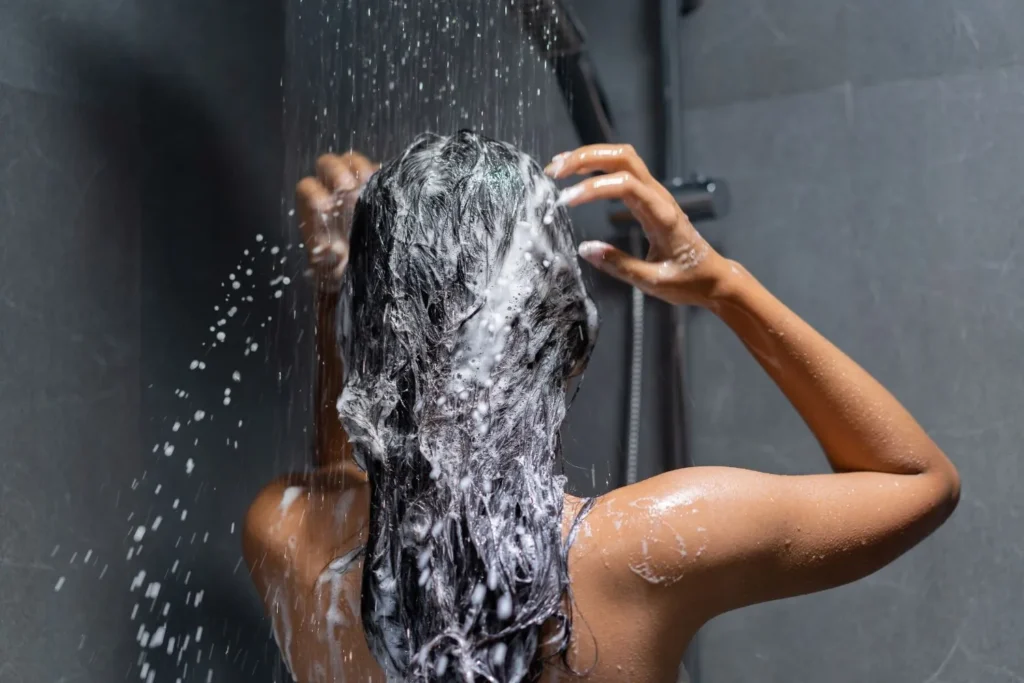
Pre-pooing offers an innovative approach to minimizing product build-up and safeguarding hair’s natural moisture before shampooing. By applying a nourishing oil or conditioner to the hair before washing, you create a protective layer that not only enhances the hydration of your locks but also assists in loosening and dissolving styling product residues. This process simplifies the removal of products during the subsequent shampooing stage, reducing the risk of build-up and ensuring hair remains hydrated and less susceptible to the harsh effects of surfactants.
Particularly advantageous for those with textured or dry hair types, pre-pooing can serve as a vital step in a comprehensive hair care routine, focusing on maintaining moisture balance while effectively clearing products from the hair and scalp. Incorporating this practice into your regimen can lead to healthier, cleaner hair that retains its natural luster and strength.
Healthy Hair Starts with Smart Cleansing
In conclusion, while water plays a pivotal role in the initial step of removing hair products, it alone may not suffice, especially with oil-based and heavy styling products. The importance of choosing the right cleansing agents, like shampoos and clarifiers, cannot be overstated in combating product build-up and maintaining hair health. Incorporating routines such as pre-pooing and being mindful of hard water’s impact are essential practices. If you’re navigating challenges with product residue or need personalized advice, don’t hesitate to contact us. Remember, understanding the dynamics of “does water wash out hair products” is key to achieving vibrant, healthy hair.